
A case study in nostalgia, emotional regression, and safety through familiarity
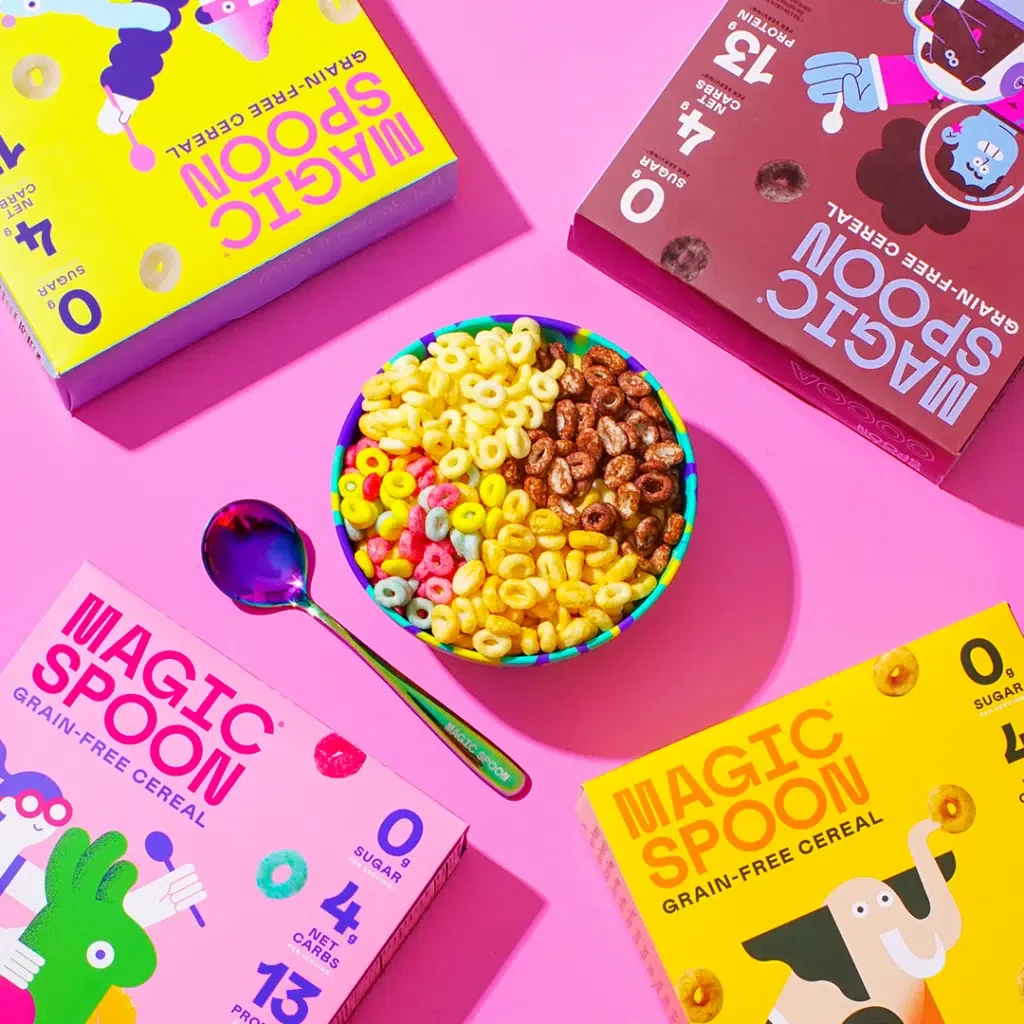
Introduction: Optimization Was Exhausting — Comfort Felt Safer
At some point, wellness stopped feeling aspirational.
It became instructional.
Moralized.
Heavy.
Food, especially, turned into a site of vigilance — labels to read, macros to calculate, ingredients to interrogate. Eating well no longer felt like care; it felt like performance.
Magic Spoon didn’t arrive to fix nutrition.
It arrived to fix how health felt.
Its true insight wasn’t dietary.
It was emotional.
The Rejection of Adulthood in Wellness Culture
Magic Spoon begins with a quiet assumption: adulthood is cognitively demanding.
Between decision fatigue, self-surveillance, and constant optimization, being an “informed consumer” started to feel burdensome rather than empowering.
Magic Spoon offered an alternative posture:
Eat like you remember — without consequences.
This is not nostalgia as sentimentality.
It is nostalgia as psychological relief.
What’s important is that this relief was not accidental.

Image Courtesy: The Information
Magic Spoon was founded by Gabi Lewis and Greg Sewitz, former startup operators deeply embedded in modern health culture. They didn’t begin with childhood longing. They began with constraint — asking how to engineer a cereal that met adult nutritional expectations without reproducing the emotional heaviness that usually accompanies them.
Nostalgia came later — not as indulgence, but as a delivery system.
Used deliberately, familiarity softened friction. Play made discipline tolerable. Childhood cues reframed adult compliance.
Magic Spoon wasn’t built as a love letter to the past.
It was built as a solution to optimization fatigue — using memory to make control feel light.
Nostalgia as a Safety Signal
From a psychological perspective, childhood cues function as safety markers.
Bright colors.
Familiar mascots.
Simple flavor metaphors.
They signal a time before:
risk mitigation
moralized consumption
self-criticism
Magic Spoon doesn’t recreate cereal.
It recreates the emotional conditions under which cereal once felt safe.
And then it removes the guilt.
This is emotional regression — not as immaturity, but as rest.
Control Hidden Beneath Play
What makes Magic Spoon effective is not the nostalgia alone — it’s the discipline underneath it.
High protein.
Low sugar.
Macros made legible after desire is activated.
The brand does something sophisticated:
it leads with feeling
follows with reassurance
never reverses the order
Emotional permission comes first.
Justification arrives quietly.
Compare this to brands that demand understanding before enjoyment — Magic Spoon understands that joy is the gate, not the reward.
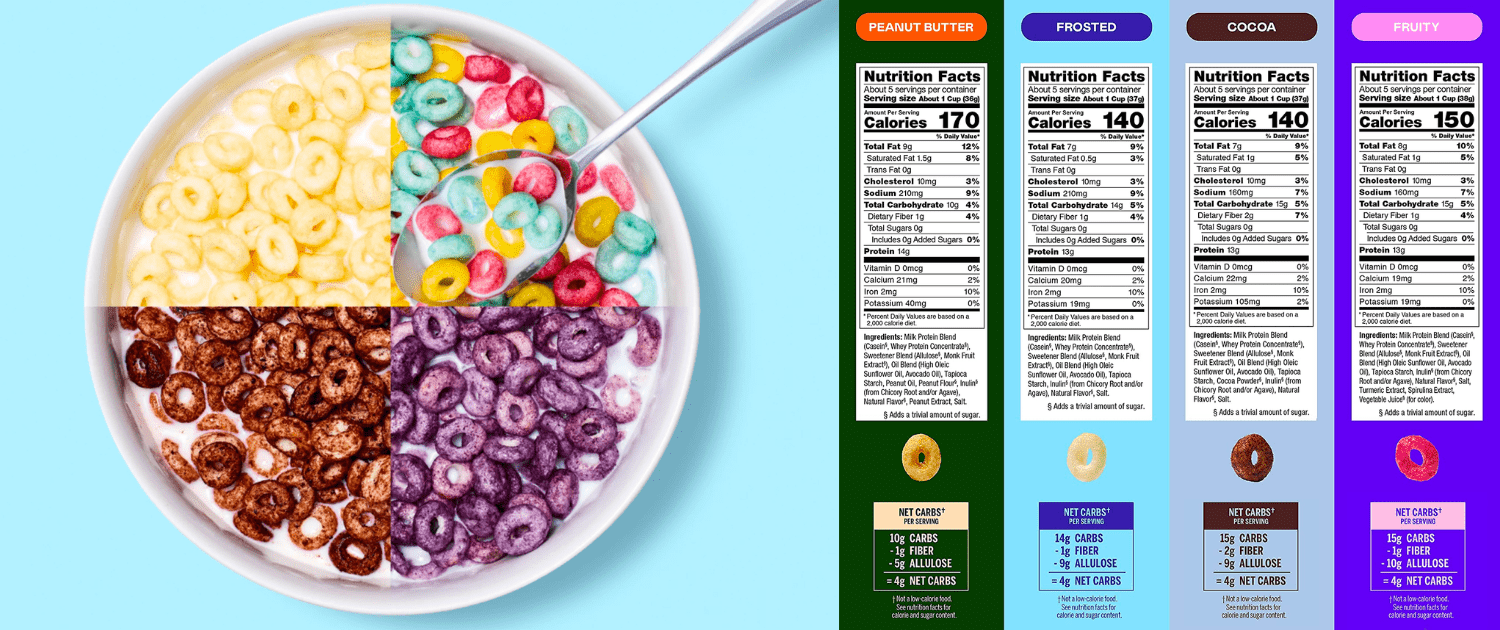
Image Courtesy: Overhaul Fitness
Design as Memory Activation, Not Aesthetic Choice
Magic Spoon’s packaging is not decorative.
It is mnemonic.
Colorways mirror childhood cereal boxes without copying them exactly. Fonts feel friendly but controlled. Mascots are abstracted rather than literal.
This isn’t imitation.
It’s recognition.
The design doesn’t say this is like the cereal you loved.
It says remember how cereal used to make you feel?
That distinction matters.
Recognition activates emotion faster than resemblance.
The Emotional Contract Magic Spoon Offers
Magic Spoon doesn’t ask consumers to be adults about food.
It asks them to be relieved.
It says:
You don’t have to earn comfort
You don’t have to justify pleasure
You don’t have to choose between care and joy
In a culture that trained people to discipline appetite, Magic Spoon reframes indulgence as harmless when structurally controlled.
This is control — but it’s disguised as play.
Why Magic Spoon Worked (When Others Didn’t)
Many brands attempt nostalgia.
Few succeed.
Magic Spoon worked because:
it modernized formulation without modernizing tone
it respected adult anxiety without amplifying it
it didn’t make nostalgia ironic or apologetic
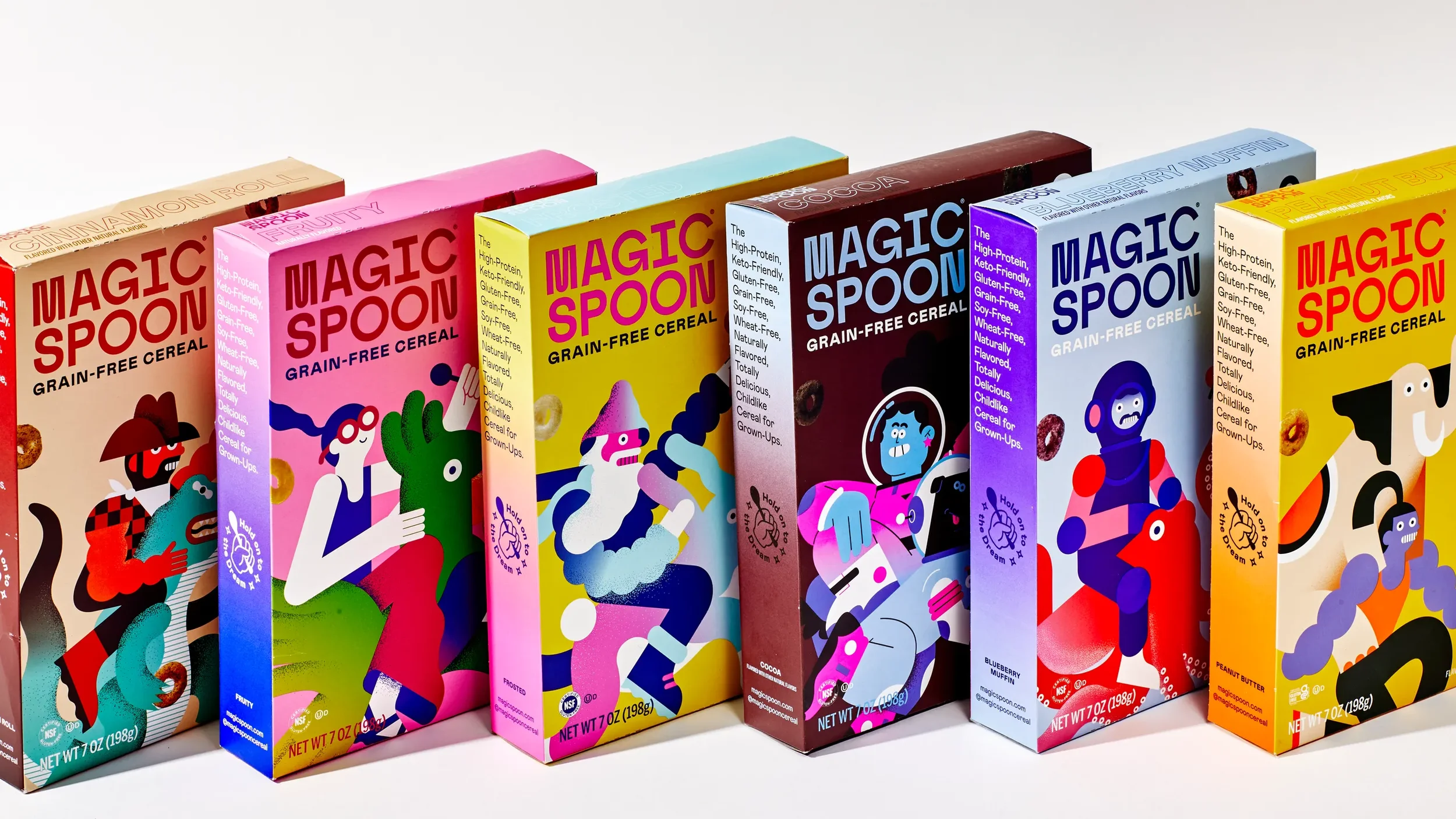
Image Courtesy: Bon Appetit
It understood that people don’t return to childhood memories for aesthetic reasons — they return because those memories feel unthreatening.
Magic Spoon didn’t sell cereal.
It sold emotional truce.
Strategic Takeaways for Brand Builders
Magic Spoon reveals several non-obvious truths:
Nostalgia works when it restores psychological conditions, not visuals
Playfulness can coexist with discipline — if sequencing is right
Emotional permission is often more persuasive than information
Comfort is a form of safety, not weakness
Simplification is emotional before it is functional
Brands don’t have to lighten their product to reduce stress.
They have to lighten the experience of choosing it.
Conclusion: Sometimes Safety Looks Like Play
Magic Spoon succeeds because it understands something many wellness brands forget:
Health is rarely rejected because it’s ineffective.
It’s rejected because it feels emotionally expensive.
Magic Spoon lowers the emotional cost of caring for yourself — not through authority, discipline, or vigilance — but through familiarity.
It gives consumers something most wellness brands never offer:
Care that doesn’t feel like work.
And in a culture exhausted by optimization, that may be the most serious innovation of all.
Essential Reads: Understanding Nostalgia and Emotional Relief
1. Consumed: How Markets Corrupt Children, Infantilize Adults, and Swallow Citizens Whole — Benjamin R. Barber
Why it matters: Explores how childhood cues re-enter adult consumption as emotional refuge rather than regression.
2. The Theory of Cognitive Dissonance — Leon Festinger
Why it matters: Explains how Magic Spoon resolves the tension between desire and self-image.
3. Predictably Irrational — Dan Ariely
Why it matters: Reveals why emotion-led decisions feel more “right” than rational ones.
4. Brand Seduction — Daryl Weber
Why it matters: Shows how subconscious cues like color, familiarity, and tone shape trust and desire.
5. The Experience Economy — Pine & Gilmore
Why it matters: Frames Magic Spoon as an emotional experience, not a food product.
