
Seed: When Science Became the Source of Calm
A case study in epistemic authority, legitimacy, and modern trust
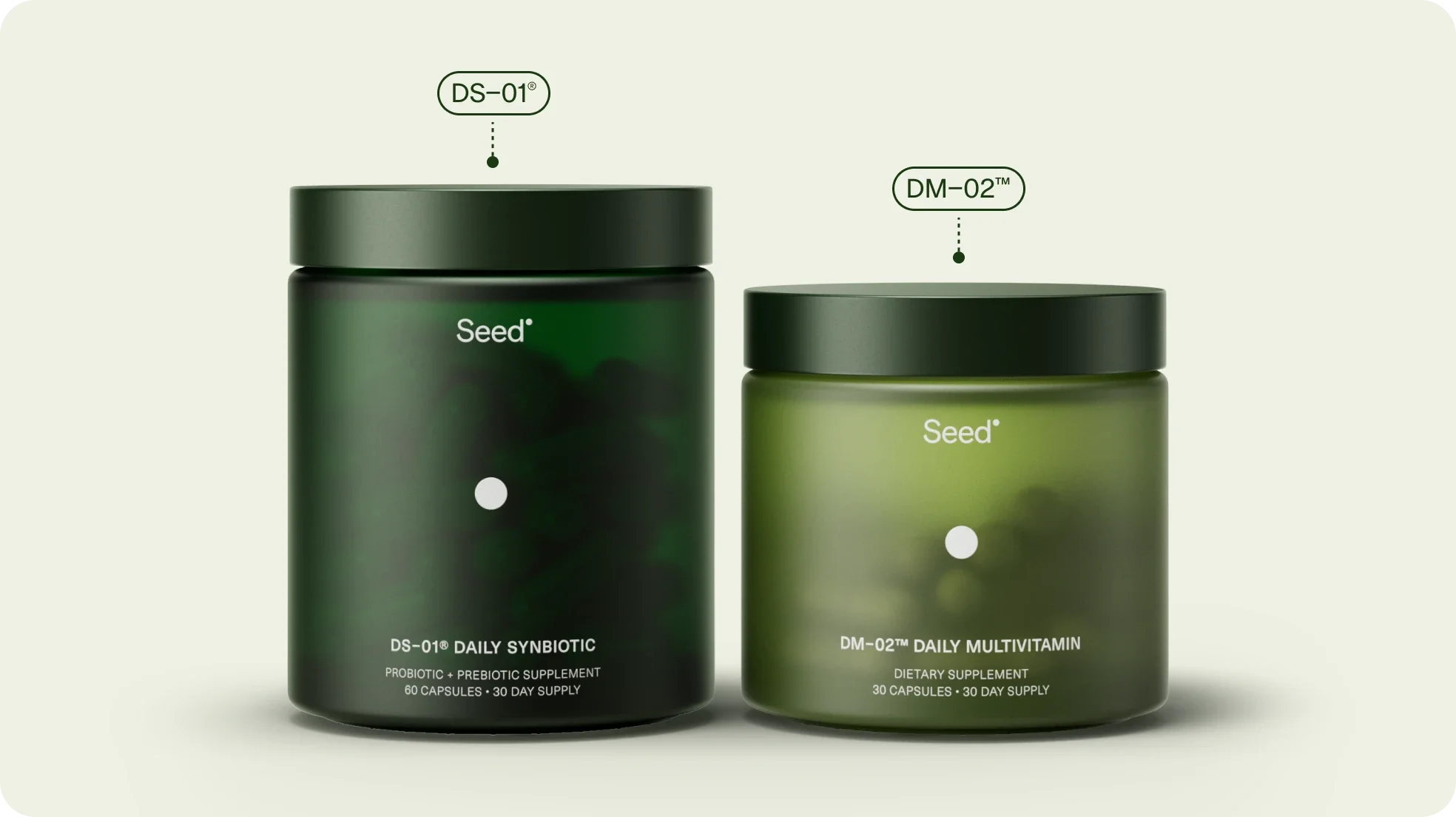
Image courtesy: Seed
Introduction: Wellness Didn’t Need More Hope — It Needed Proof
By the time Seed entered the market, wellness culture was exhausted.
Consumers had tried promises.
They had tried personalization.
They had tried “listen to your body.”
What they lacked wasn’t motivation — it was confidence.
Health decisions had become emotionally loaded, morally charged, and cognitively overwhelming. The question was no longer What should I take? but Who can I trust without second-guessing myself?
Seed did not attempt to make wellness feel easier.
It made it feel serious.
This Seed case study explores how the brand built trust not through relatability, lifestyle aesthetics, or simplification — but through scientific rigor as emotional reassurance.
1. The Cultural Shift: From Self-Care to Self-Audit
Modern wellness quietly turned consumers into regulators.
People learned to:
evaluate ingredients
question sourcing
cross-reference claims
research mechanisms
What looked like empowerment increasingly felt like burden.
Seed recognized this shift clearly. It did not assume misinformation could be countered with warmth or charm. It assumed that consumers wanted epistemic relief — the ability to stop doubting.
In anthropological terms, Seed responded not to desire, but to decision fatigue under uncertainty.
2. The Founders and the Rejection of Simplification
Seed’s founders positioned the brand explicitly against wellness reductionism.
Rather than translating science into lifestyle language, Seed kept it intact. Microbiome complexity wasn’t hidden — it was foregrounded.
This was a decisive move.
Seed refused to reassure consumers by making science sound easy. Instead, it reassured them by signaling that difficulty was being taken seriously.
Trust did not come from friendliness.
It came from respect for complexity.
3. Science as Emotional Architecture
Seed’s greatest strategic insight is that science functions emotionally long before it functions rationally.
Peer-reviewed research, academic partnerships, and clinical framing don’t just inform — they stabilize.
They tell the consumer:
This decision does not rely on belief.
That assurance reduces anxiety not by eliminating uncertainty, but by transferring responsibility back to an authority capable of holding it.
In this way, Seed offers something rare in wellness culture:
permission to stop managing everything yourself.
4. Design That Signals Credibility, Not Comfort
Seed’s visual identity is intentionally stark.
Monochrome palette.
Clinical typography.
Minimal visual distraction.
This is not aesthetic coldness.
It is epistemic signaling.
The design communicates:
seriousness
containment
boundaries
There is no invitation to self-expression here. No mood. No lifestyle promise.
The aesthetic says:
This product exists to work, not to perform.
5. Trust Without Intimacy
Many wellness brands rely on intimacy to build loyalty.
Seed does not.
It does not ask to be part of a ritual, a morning routine, or a self-care moment. It does not encourage storytelling or emotional projection.
Instead, Seed builds trust by withholding personality.
This restraint matters.
In psychology, trust increases when authority is paired with predictability — not warmth. Seed’s consistency reduces interpretive load. The brand behaves the same way at every touchpoint.
That predictability is calming.
6. Sustainability as Structural Integrity
Seed’s commitment to sustainability reinforces its epistemic positioning.
Packaging systems, refill programs, and transparency around materials are not framed emotionally. They are framed operationally.
This strengthens trust because:
values are executed, not advertised
ethics are embedded, not narrated
The brand’s seriousness is not selective.
Consistency across domains reinforces credibility.
7. Strategic Takeaways for Brand Builders
Seed reveals a lesson many brands resist:
Not all consumers want warmth
Not all products benefit from simplification
Complexity can be reassuring when held responsibly
Authority reduces anxiety when it is legible and consistent
Trust grows when brands refuse to over-perform emotionally
Seed does not meet the consumer halfway.
It asks them to step out of subjectivity altogether.
Conclusion: Calm Through Certainty
Seed’s success is not about probiotics.
It is about restoring a feeling that wellness culture eroded:
confidence without vigilance.
In a market that trained consumers to audit everything, Seed offered a counter-contract:
You don’t need to understand all of this. You need to trust that we do.
That trust is not cultivated through charm or community.
It is earned through rigor, restraint, and coherence.
Seed proves that authority — when genuinely held — can be profoundly calming.
Essential Reads: Understanding Seed’s Epistemic Authority
1. Trust in Numbers — Theodore M. Porter
Why it matters: Explains why quantified science becomes a source of legitimacy when personal judgment feels insufficient.
2. The Structure of Scientific Revolutions — Thomas Kuhn
Why it matters: Reveals how frameworks, not facts alone, determine what people accept as “true.”
3. Risk Society — Ulrich Beck
Why it matters: Contextualizes why modern consumers seek expert systems to manage invisible risks.
4. Thinking, Fast and Slow — Daniel Kahneman
Why it matters: Explains why cognitive ease, not knowledge, determines trust under uncertainty.
5. Brand Seduction — Daryl Weber
Why it matters: Highlights how seriousness and consistency influence subconscious trust formation.
