
SKIMS: How Control Replaced Body Positivity
A cultural case study in power, visibility, and strategic permission
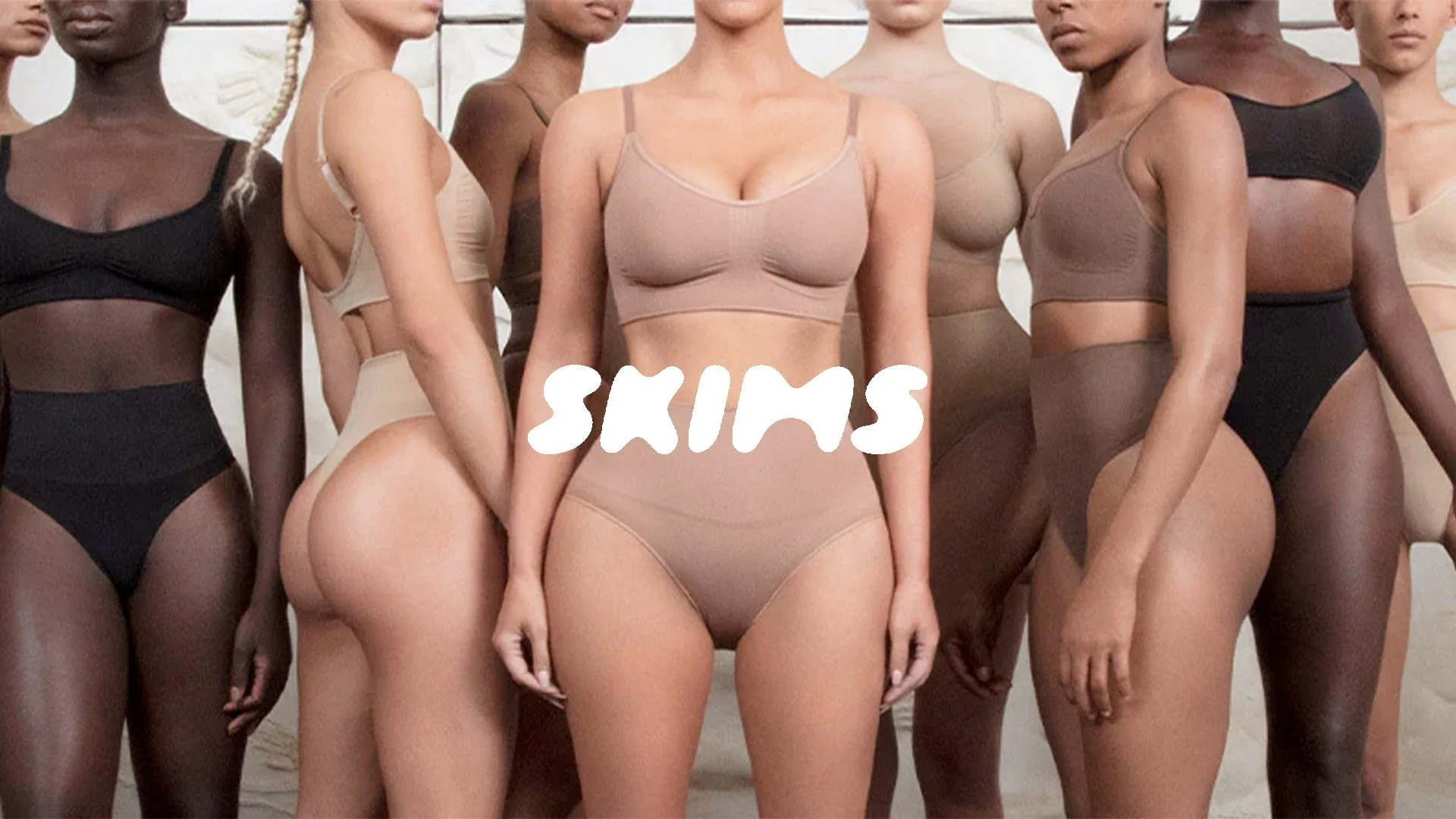
Image Courtesy: Soar With Us
Introduction: Body Positivity Didn’t Remove the Gaze
Body positivity promised freedom.
What it delivered was visibility — without protection.
As bodies became more present across digital spaces, scrutiny intensified. The call to “love your body” arrived alongside relentless comparison, documentation, and judgment.
SKIMS entered not to challenge visibility, but to restructure power within it.
This SKIMS case study examines how the brand reframed self-acceptance away from affirmation and toward control — and why that shift resonated where positivity alone stalled.
Visibility Is Power Only If It’s Negotiable
Modern culture insists on being seen — but rarely addresses the cost.
Anthropologically, visibility without agency creates exposure, not empowerment. The body becomes legible, searchable, discussable — yet insufficiently protected.
SKIMS did not attempt to liberate women from the gaze.
It gave them tools to negotiate it.
This repositioned shapewear from apology to authorship.
Shapewear Reframed: From Correction to Command
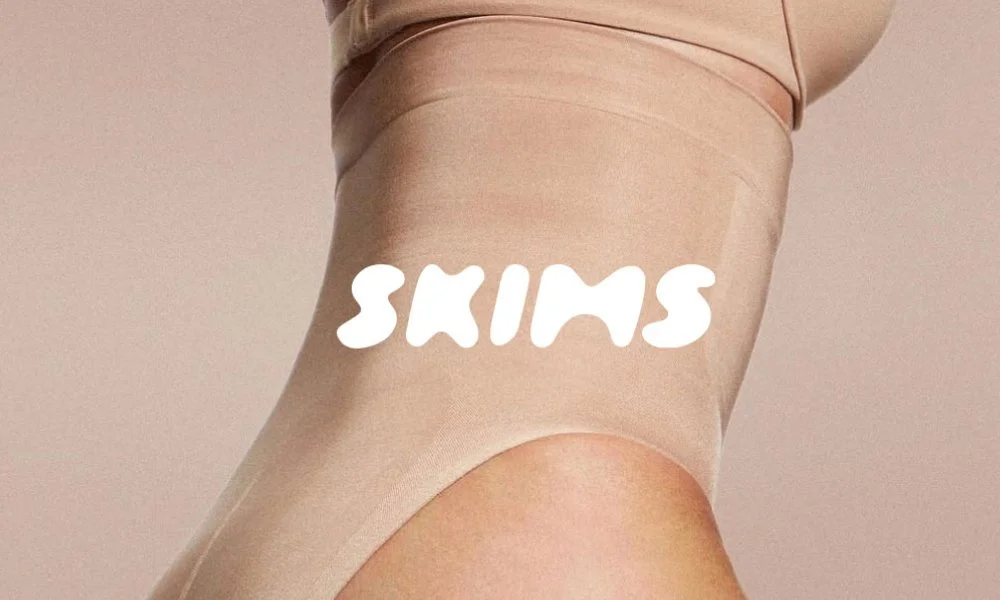
Historically, shapewear functioned defensively — designed to erase parts of the body deemed unacceptable.
SKIMS inverted that logic.
The product is not about concealment, but intentional containment. Not hiding the body, but deciding how it presents, how it feels, how it moves.
Behaviorally, perceived control reduces anxiety. Confidence follows mastery, not denial. SKIMS understood that empowerment is less about rejecting standards than managing their impact.
This was not liberation through refusal.
It was agency through precision.
Kim Kardashian and Epistemic Credibility
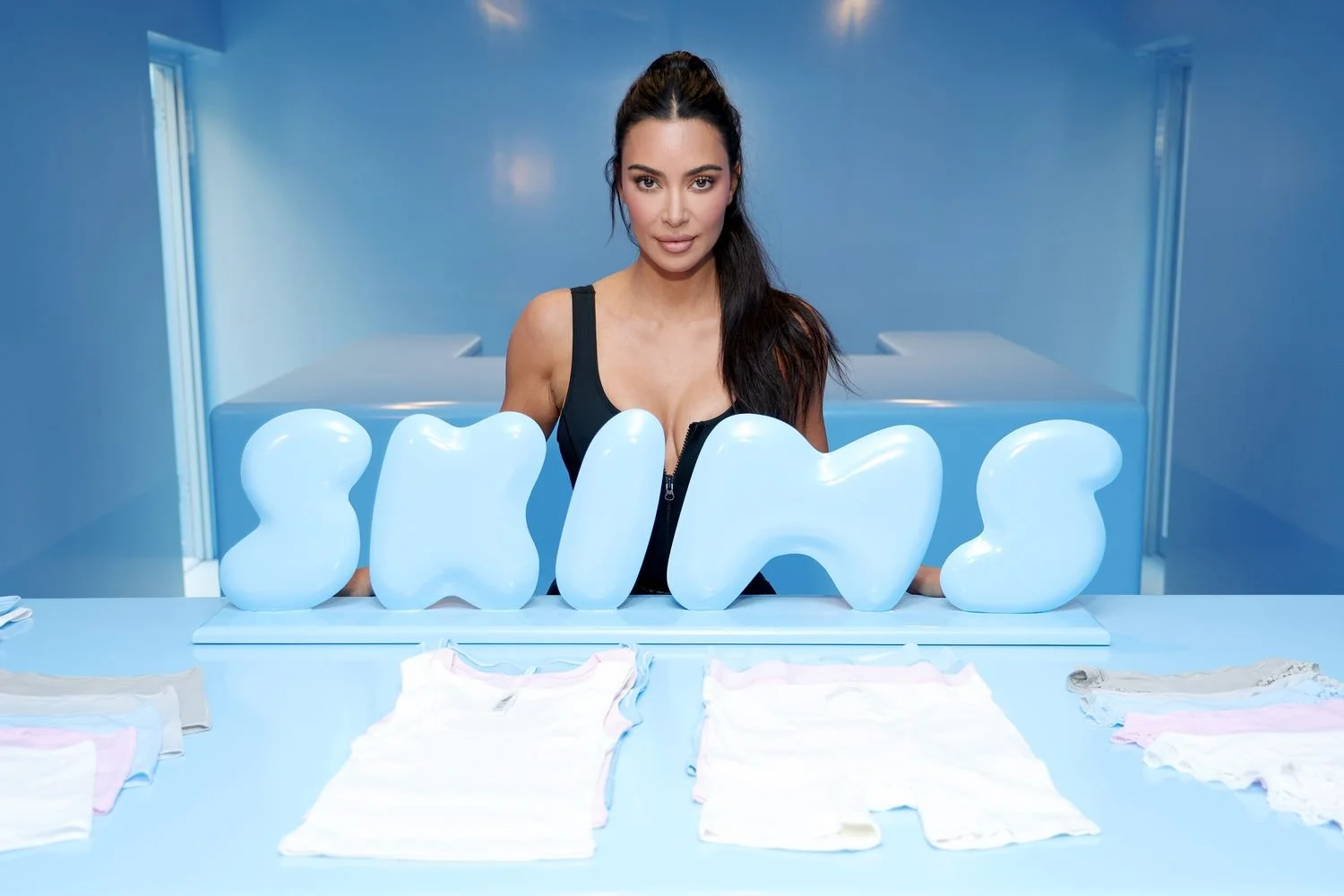
Image Courtesy: ABC News
Kim Kardashian’s role is often dismissed as celebrity leverage. That reading misses the point.
Her body has existed under sustained cultural surveillance — idealized, criticized, dissected — for years. She does not represent fantasy. She represents endurance under exposure.
That history matters.
When SKIMS positions support, compression, and fit as comfort rather than concealment, it carries credibility. Kim is not selling aspiration. She is selling lived fluency in visibility.
This is epistemic authority — not fame.
Design as Infrastructure, Not Expression
SKIMS’ visual identity is neutral by design.
Muted tones. Skin-spectrum palettes. Minimal ornamentation.
This is not aesthetic restraint. It is infrastructural thinking.
The brand does not decorate the body. It integrates into it. Design steps back so function can lead — repositioning shapewear as support rather than spectacle.
The body remains the protagonist.
The product enables quietly.
Inclusivity as Engineering, Not Messaging
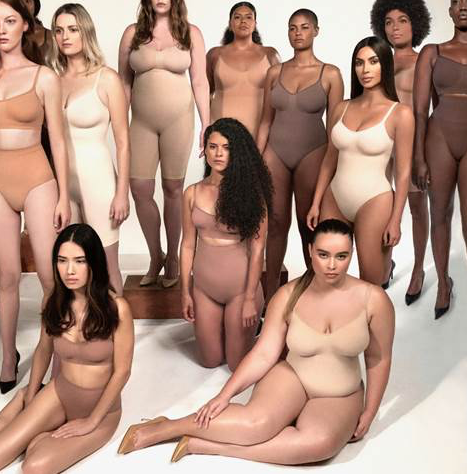
Image Courtesy: WWD
SKIMS’ inclusivity is operational, not rhetorical.
Extended sizing, realistic shade ranges, and consistent fit logic signal seriousness. Inclusivity here is not a moral claim — it is system design.
This matters because competence builds trust faster than ideology. SKIMS does not ask to be believed. It proves capacity through execution.
Inclusivity becomes infrastructure.
Strategic Takeaways for Brand Builders
SKIMS’ marketing strategy reveals uncomfortable truths:
Affirmation alone does not restore agency
Control and self-acceptance are not opposites
Visibility requires protection to feel empowering
Inclusivity must be built, not announced
Utility outlasts symbolism in cultural debates
SKIMS does not promise freedom from judgment.
It gives leverage within it.
Conclusion: Control Was the Missing Language
SKIMS didn’t solve body image.
It changed the terms of engagement.
By reframing support as strength and containment as choice, the brand offered something more durable than positivity: strategic sovereignty.
In a culture obsessed with being seen, SKIMS gave women a quieter, more powerful option —
the ability to decide how they appear.
That decision, not celebration, is what endures.
Essential Reads: Understanding SKIMS’ Power Lens
1. Discipline and Punish — Michel Foucault
Why it matters: Examines how bodies are regulated, observed, and shaped within systems of power.
2. The Managed Heart — Arlie Hochschild
Why it matters: Connects bodily presentation, emotional labor, and control.
3. The Beauty Myth — Naomi Wolf
Why it matters: Provides historical context for why shapewear carried stigma — and why reframing it required precision.
4. Brand Seduction — Daryl Weber
Why it matters: Explains how comfort, familiarity, and tactile reassurance drive trust.
5. Influence — Robert Cialdini
Why it matters: Grounds normalization and social proof without reducing them to tactics.
