
Poppi vs Olipop: Two Ways of Making Health Feel Acceptable
A psychological contrast in pleasure, permission, and legitimacy
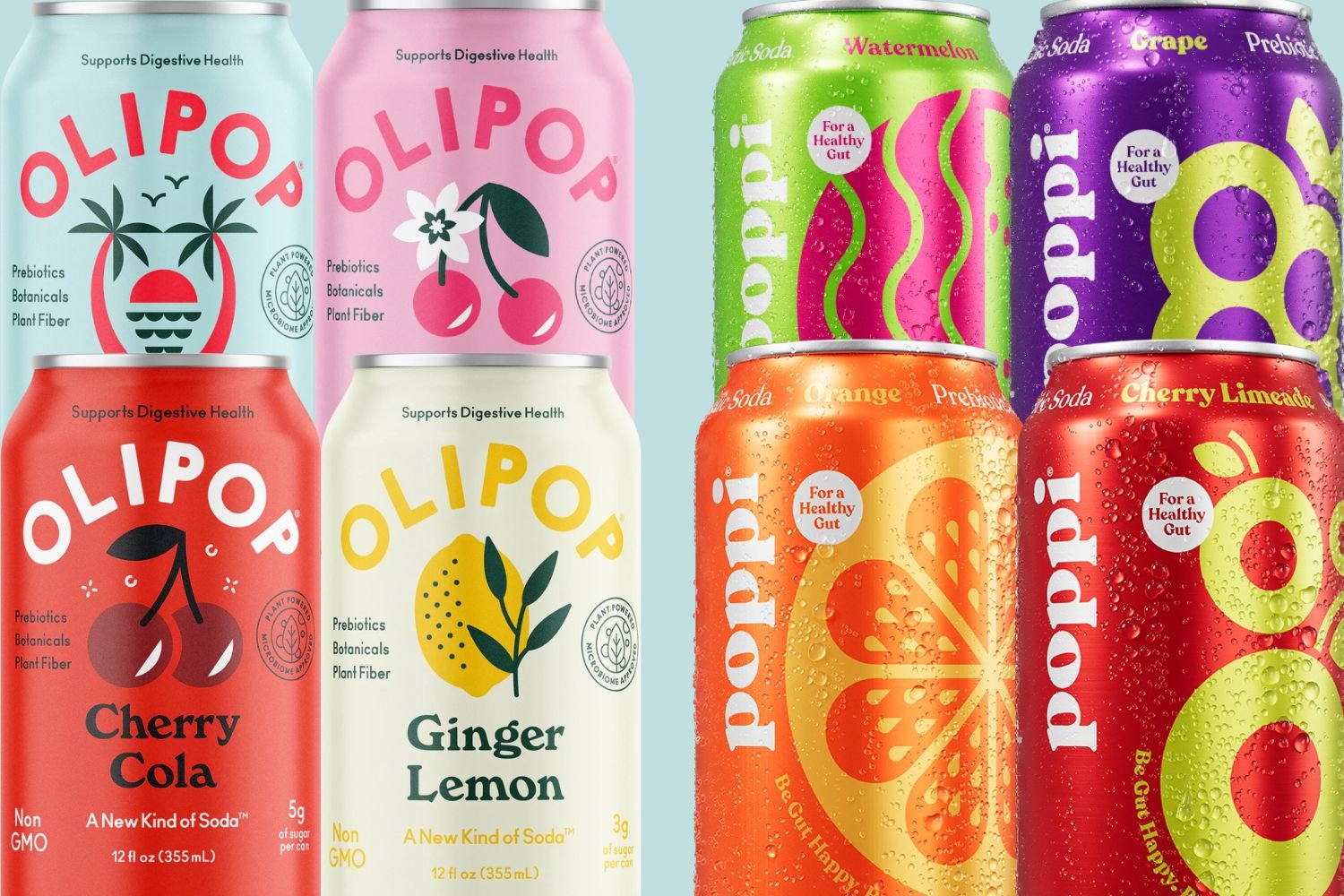
Image Courtesy: PHS News
Introduction: Health Was Never the Problem — Permission Was
For years, consumers knew soda was “bad.”
The problem wasn’t information.
It was desire.
People didn’t stop drinking soda because they lacked discipline or education. They stopped because the wellness culture made pleasure feel irresponsible — even morally suspect.
Poppi and Olipop didn’t reinvent soda.
They reinvented permission.
Both entered the market to resolve the same tension:
How do you make health compatible with enjoyment?
Their answers, however, reveal two very different belief systems about the consumer.
The Same Product, Two Emotional Contracts
At the functional level, Poppi and Olipop are nearly identical:
prebiotic sodas
lower sugar
positioned as “better for you”
But psychologically, they are opposites.
Poppi resolves tension through pleasure
Olipop resolves tension through legitimacy
This isn’t branding nuance.
It’s ideology.
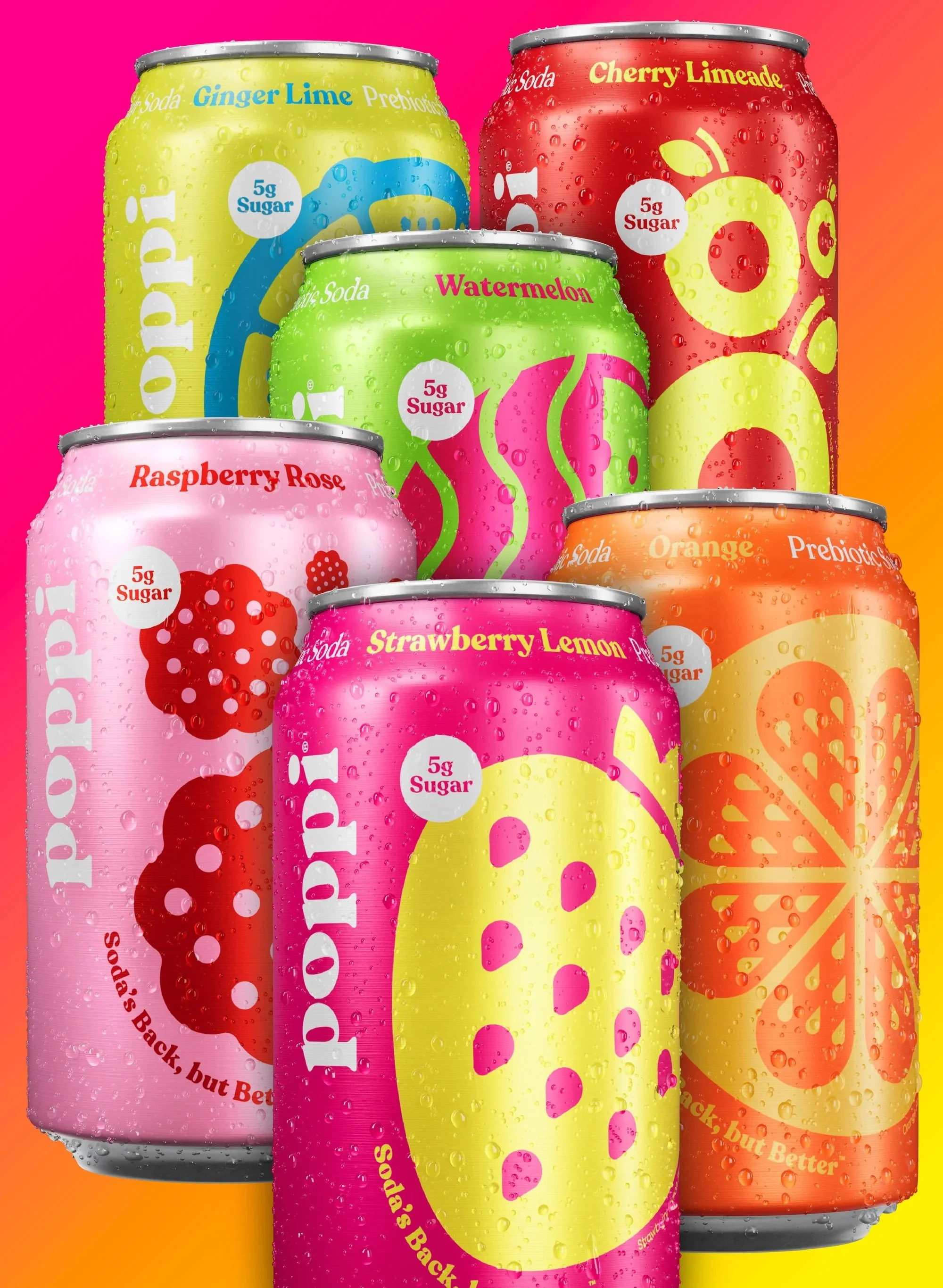
Image Courtesy: Drinkpoppi
Poppi: Health Without Apology
Poppi begins with a simple assumption:
People don’t want to be corrected. They want to be relieved of guilt.
Its branding is bright, playful, and unserious — intentionally so. The cans don’t instruct. They invite.
Poppi doesn’t ask the consumer to understand gut health or prebiotics. It doesn’t frame consumption as a choice requiring justification.
It says:
You’re allowed to enjoy this.
This taps into a deep emotional truth:
Pleasure feels safer when it doesn’t require explanation.
Poppi functions as emotional permission.
Olipop: Health That Has Earned the Right to Be Enjoyed
Olipop assumes something very different about the consumer.
It assumes skepticism.
Its language leans functional. Its branding is retro but composed. Its ingredient story is front-and-center. Even the flavor names feel deliberate rather than carefree.
Olipop doesn’t remove guilt.
It overrides it.
Enjoyment is allowed — but only because it has been earned through logic, formulation, and credibility.
This appeals to a consumer who doesn’t want to feel indulgent — they want to feel correct.
Olipop functions as cognitive reassurance.

Image Courtesy: DrinkOlipop
Pleasure vs Legitimacy
Here is the core divide:
Poppi makes health pleasurable first, then quietly acceptable.
Olipop makes health acceptable first, then cautiously pleasurable.
Poppi dissolves resistance by lowering seriousness.
Olipop dissolves resistance by raising confidence.
One bypasses scrutiny.
The other satisfies it.
Design as Emotional Instruction
Design teaches the consumer how to feel before the product is tasted.
Poppi’s design is colorful, loud, and joyful. It signals play. It lowers the stakes. It makes health feel casual.
Olipop’s design is structured and nostalgic. It evokes familiarity and trust. It signals that this product has been thought through.
Neither is aesthetic indulgence.
Both are psychological cues.
Poppi says: Relax.
Olipop says: Trust us.
What Each Brand Asks of the Consumer
This is where the contrast becomes personal.
Poppi asks you to:
stop overthinking
stop justifying
let enjoyment be enough
Olipop asks you to:
believe in formulation
respect process
feel reassured by evidence
Neither asks you to give something up —
but they demand different kinds of comfort.
The Unspoken Tradeoffs
Here’s the tension neither brand resolves fully:
Pleasure without legitimacy risks dismissal.
Legitimacy without warmth risks rigidity.
Poppi may be underestimated by those who equate seriousness with credibility.
Olipop may feel emotionally distant to those tired of earning indulgence.
And yet — both brands succeed.
Because they answer different psychological needs, not different functional ones.
Why Both Brands Worked
Poppi and Olipop succeeded because they were internally coherent.
They didn’t hedge between joy and seriousness.
They didn’t try to speak to everyone at once.
They respected the emotional state they were addressing.
In a wellness culture obsessed with optimization, both brands did something counterintuitive:
They focused on how health should feel, not just what it should do.
Conclusion: Health Is Emotional Long Before It Is Rational
Poppi and Olipop remind us that wellness is rarely rejected because it doesn’t work.
It’s rejected because it asks too much — emotionally.
Some consumers need permission.
Others need proof.
Neither is wrong.
But confusing the two collapses trust.
These brands don’t compete because of flavor or formulation.
They compete because they encode two different philosophies of self-care:
one that softens judgment
one that satisfies it
And in modern wellness culture, understanding that difference is everything.
